
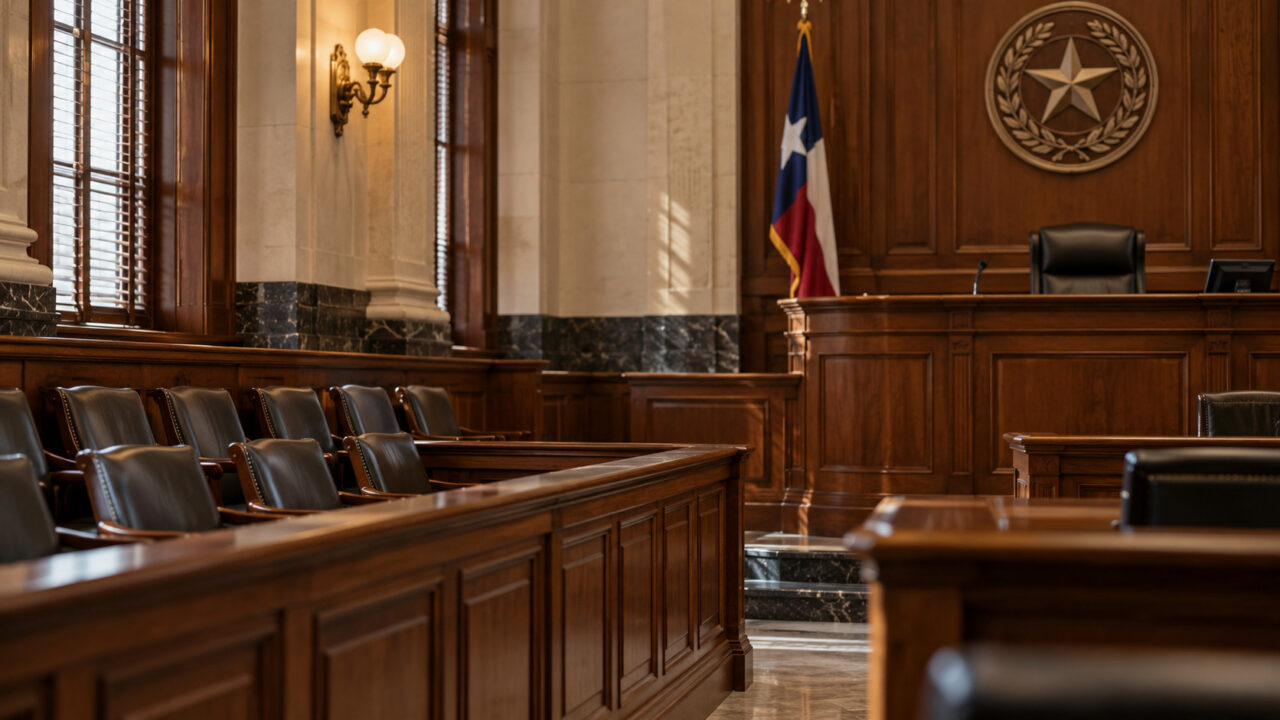
A Closed-Door Vote Decides Whether a Felony Case Moves Toward Trial
If you’ve been charged with a felony in Texas, prosecutors need to follow a precise set of rules. And one of the first steps involves obtaining approval from a grand jury before they can take your case to trial. During a grand jury, ordinary citizens review the evidence in a closed room. No one speaks for the defense there. You may not even know the meeting is happening. Still, this critical step can shape everything that follows.
Grand jury panels have a lot of work to do in Texas. The Tarrant County Criminal District Attorney's Office reports that its grand juries hear more than 19,000 cases a year in Tarrant County alone. Each panel has 12 citizens. At least nine must vote to formally charge someone. So what does that workload mean? Grand jurors may have limited time for any single case. As a result, they often make quick decisions that can have serious consequences.
Our Conroe criminal defense lawyers at The Webb Firm, P.C. know how much can change before a felony case even reaches a courtroom. That's because the weeks before an indictment can offer real opportunities to push back. Someone who understands this process can make smarter choices while there's still time to set the record straight.
|
Key Takeaways
|
Why Does a Texas Felony Case Need a Grand Jury at All?
Texas gives people accused of serious crimes an extra layer of protection. Under Article I, Section 10 of the Texas Constitution, the state generally can't try someone for a felony without an indictment. An indictment is the formal written charge a grand jury approves. It spells out the crime prosecutors plan to prove.
Grand jurors don't decide guilt or innocence. Instead, they look for a fair reason to believe a crime happened and the suspect committed it. This standard is called probable cause. It sits far below the proof needed to convict at trial, so prosecutors often win indictments in cases that later fall apart.
Some defendants can skip the grand jury. Texas Code of Criminal Procedure Article 1.141 lets a defendant with a lawyer give up (waive) that right in most felony cases. This often happens as part of a plea deal, an agreement to plead guilty in exchange for a lighter charge or sentence. Giving up that protection deserves careful thought first.
What Goes On Inside the Grand Jury Room?
A grand jury hearing looks nothing like a TV trial. The process is closed and one-sided in several important ways:
- Limited Attendance – Texas Code of Criminal Procedure Article 20A.102 limits who can be present. Jurors, prosecutors, witnesses, and certain court staff may attend.
- No Judge in the Room – A judge oversees the grand jury but doesn't sit in on its hearings. Prosecutors guide the process instead.
- No Defense Attorney – The suspect's lawyer can't object or cross-examine (question) anyone. Jurors usually hear only what prosecutors choose to show them.
- Strict Secrecy – Under Texas Code of Criminal Procedure Article 20A.202, grand jury proceedings are secret. Jurors vote with no outsiders present.
This setup gives prosecutors a strong head start. A police report can sound convincing when no one questions the officer who wrote it. Weak spots in the evidence may never come up. Still, grand jurors can ask questions and request more information. A well-timed defense effort can sometimes give them reason to look harder.
A grand jury hearing and a trial serve very different purposes. Here's how they compare:
| Grand Jury | Trial | |
|---|---|---|
| Question decided | Whether there's probable cause to formally charge | Whether the accused is guilty beyond a reasonable doubt |
| Who runs it | Prosecutors, with a judge overseeing from outside the room | A judge, in open court |
| Defense lawyer's role | Can't be present to object or question witnesses | Can challenge evidence and cross-examine witnesses |
| Open to the public | No, the proceedings are secret | Generally yes |
Can the Accused Person Testify or Send Evidence?
A suspect may be allowed to testify before the grand jury. Texas Code of Criminal Procedure Article 20A.258 sets rules for questioning an accused or suspected person, including warnings about their rights. But that witness walks in alone. Their lawyer can't sit beside them. Anything said under oath can come up again later.
That risk makes testifying a rare choice for most defense lawyers. A nervous answer or small mistake can turn into a bigger problem. Prosecutors may also use the testimony to lock someone into one version of events before trial. Any decision to testify should follow a close review of the evidence.
A safer option often exists. Defense lawyers can sometimes send prosecutors a written packet for the grand jury to consider. It might include letters, records, photos, or a summary of weak spots in the case. Prosecutors don't always have to share it. Even so, a strong packet can sometimes lead to a reduced or dropped charge.
What Are the Possible Outcomes of a Grand Jury Vote?
The grand jury vote decides whether a felony case moves forward and in what form. Under Texas Code of Criminal Procedure Article 20A.301, at least nine grand jurors must agree before an indictment can issue. The main results include:
- True Bill – The grand jury votes to indict on the felony charge. The case then moves to a district court for the next steps.
- Different Charge – Grand jurors may approve a charge that's lower or higher than the one police filed. That can change the possible penalties.
- No Bill – Fewer than nine jurors vote to indict. The felony charge doesn't move forward based on that grand jury's decision.
- Case Held Over – Grand jurors sometimes want more information first. Prosecutors may return later with more evidence or witnesses.
An indictment can feel like a final verdict, but it isn't one. The accused person still has every right to a full defense and a trial. A no bill brings relief, though it may not end things for good. Either way, the next decisions can carry serious consequences for someone's freedom and future.
Does a No Bill Mean the Case Is Over for Good?
A no bill is welcome news, but it doesn't always close the door. Texas prosecutors may be able to present the same case to another grand jury later. That can happen when new evidence surfaces or a key witness comes forward. Someone who receives a no bill shouldn't assume the danger has passed.
The arrest record can also linger. Background checks may still show it, which can hurt a job search or housing application. Texas law can allow certain people to clear that record through expungement, a court order that destroys arrest records. Eligibility and timing depend on several factors, including the specific charge.
Waiting periods and strict filing rules apply in many expungement cases. A missed step can delay relief for months. So what should someone do after a no bill? Keep every document tied to the case, including the arrest paperwork. Those records can make it much easier to move forward when the time comes.
An Insider's View of How Prosecutors Build Felony Cases
Facing a felony charge in Montgomery County can leave you feeling powerless. Prosecutors may already be shaping their grand jury presentation. You may not know when jurors will hear it or what evidence they'll see. That uncertainty can weigh heavily on you and your family.
Our Conroe criminal defense lawyers at The Webb Firm, P.C. can step in early to challenge the state's case. Attorney Amanda Webb once served as an Assistant District Attorney in Montgomery County. As a result, she knows how prosecutors build felony cases in Texas. Our case results include a dismissed felony charge of engaging in organized crime.
Don't take chances with your future. A grand jury may hear your case sooner than you expect. Make the smart decision and get the experienced legal help you need now. Contact us for a free consultation. We can meet with you, review the evidence against you, answer your questions, and explain your legal options.
“Best choice I made by reaching out to Mrs Webb. Very kind person willing to answer questions and extremely professional. I could not have dreamed of a better outcome. Would highly recommend to anyone that needs help with legal struggles.” - Brenda B., ⭐⭐⭐⭐⭐
