
Texas Criminal Mischief Charges Can Turn On The Value Of The Damage
A criminal mischief charge can start with something that sounds minor. A broken fence, a keyed car door, a smashed mailbox, or damage from an argument can turn into a criminal case within days. In Texas, the difference between a fine-only misdemeanor and a felony can come down to the repair estimate prosecutors use.
Texas Penal Code § 28.03 defines criminal mischief broadly. A person can be charged if they intentionally or knowingly damage or destroy someone else’s tangible property, tamper with property and cause financial loss or substantial inconvenience, or make markings on someone else’s property without effective consent.
At The Webb Firm, P.C., our Conroe criminal defense lawyers know how quickly a property-damage accusation can get overcharged. Before anyone agrees to a plea, the defense needs to test the State’s valuation, ownership evidence, intent evidence, and proof that the accused person was actually responsible.
What Counts As Criminal Mischief In Texas?
Criminal mischief covers several types of property-related conduct. Prosecutors don’t always need dramatic destruction to file a case. The statute can apply to visible damage, interference with property, or unauthorized markings.
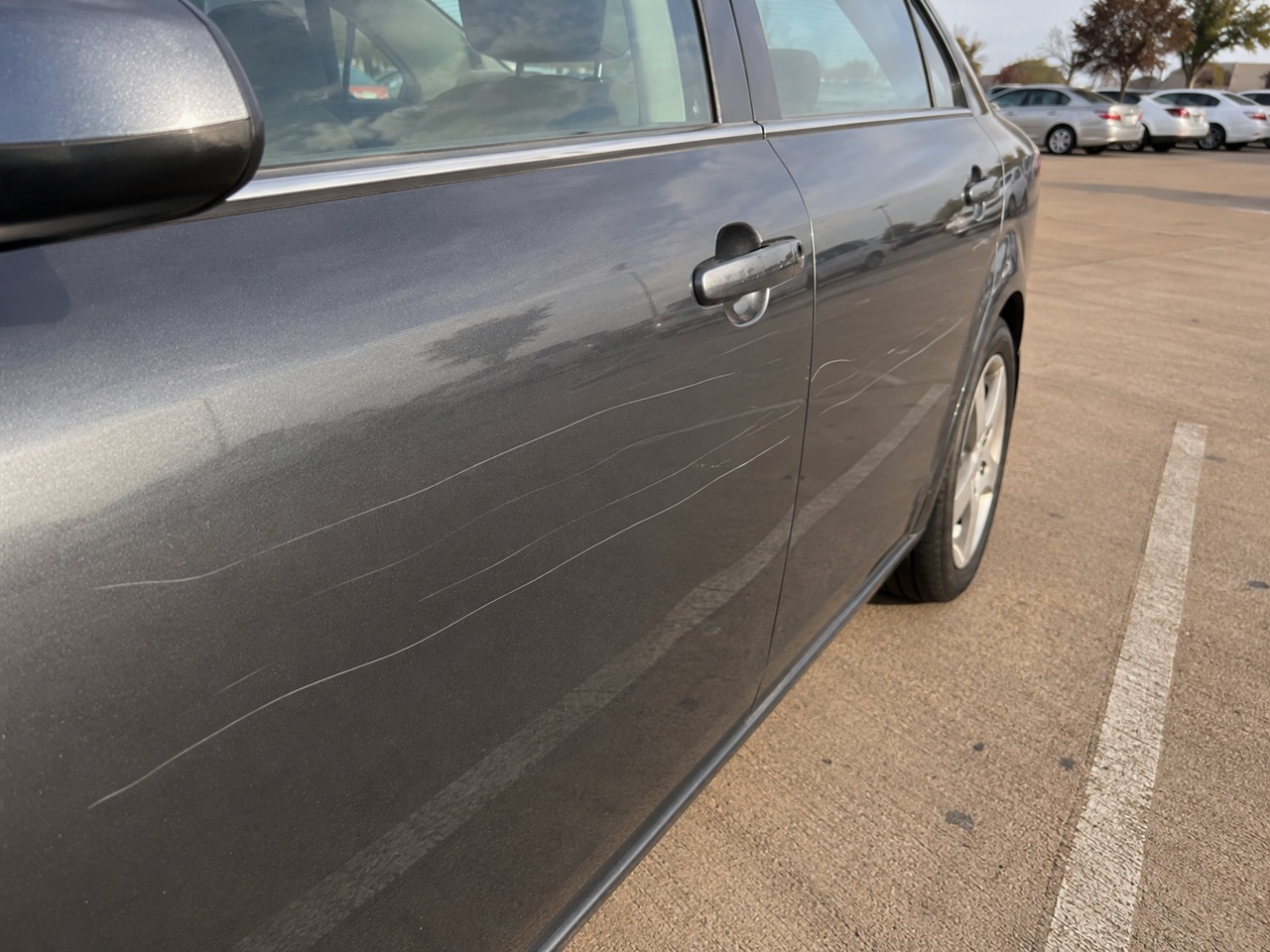
- Damaging or Destroying Property: This can include breaking a window, slashing tires, keying a vehicle, damaging a door, or smashing personal property.
- Tampering With Property: This can include interfering with something in a way that causes financial loss or serious inconvenience, even if the damage isn’t obvious at first.
- Marking Property: This can include paint, inscriptions, slogans, drawings, or other markings made without the owner’s effective consent.
The State still has to prove the required mental state. Texas criminal mischief requires intentional or knowing conduct. Accidental damage, a misunderstanding, or a disputed repair bill shouldn’t be treated the same way as deliberate property destruction.
How Prosecutors Calculate The Value Of The Damage
The dollar figure matters because it usually controls the charge level. Texas Penal Code § 28.06 sets the rules for calculating pecuniary loss in property-damage cases.
If the property was destroyed, the loss is generally the fair market value of the property at the time and place of destruction. If fair market value can’t be determined, the law looks to replacement cost within a reasonable time.
If the property was damaged but not destroyed, the loss is the cost of repairing or restoring the property within a reasonable time cost within a reasonable time.
If the property was damaged but not destroyed, the loss is the cost of. That distinction matters. A property owner’s rough estimate, inflated replacement demand, or emotional reaction doesn’t automatically prove the correct legal value.
If the loss can’t be determined under the statute’s normal rules, Texas law deems the loss to be greater than $750 but less than $2,500. That can place the charge in Class A misdemeanor territory, not felony territory.
A Felony Charge Can Start At $2,500
Criminal mischief becomes a felony in many Texas cases when the alleged pecuniary loss reaches $2,500. That’s why valuation is often the first real battleground in the case.
- Less than $100: Class C misdemeanor, punishable by a fine of up to $500.
- $100 to $749: Class B misdemeanor, punishable by up to 180 days in jail and a fine of up to $2,000.
- $750 to $2,499: Class A misdemeanor, punishable by up to one year in jail and a fine of up to $4,000.
- $2,500 to $29,999: State jail felony, punishable by 180 days to two years in a state jail facility and a fine of up to $10,000.
- $30,000 to $149,999: Third-degree felony, punishable by two to 10 years in prison and a fine of up to $10,000.
- $150,000 to $299,999: Second-degree felony, punishable by two to 20 years in prison and a fine of up to $10,000.
- $300,000 or more: First-degree felony, punishable by five to 99 years, or life, in prison and a fine of up to $10,000.
A few dollars can change the entire case. A $2,600 estimate can mean a state jail felony. A documented $700 repair cost can mean a Class B misdemeanor. When the repair number is weak, inflated, or unsupported, it needs to be challenged early.
Some Property Damage Cases Carry Enhanced Penalties
Not every criminal mischief case follows the ordinary value ladder. Texas law treats certain property differently, and those details can change the charge level even when the alleged repair cost is relatively low.
- Public Water Supply: Impairing, interrupting, or diverting a public water supply can be charged as a Class A misdemeanor regardless of the dollar amount.
- Habitation Damage Involving A Firearm or Explosive Weapon: Damage to a habitation can become a state jail felony in certain cases even when the loss is less than $2,500.
- Fences Used For Livestock Or Game Animals: Certain fence damage can be charged as a state jail felony even when the dollar value is below the ordinary felony threshold.
- Catalytic Converter-Related Damage: Damage, destruction, or tampering with a motor vehicle during removal or attempted removal of a catalytic converter can create felony exposure below $30,000.
- Automated Teller Machine Access: Interference with access to an ATM can be a third-degree felony regardless of the loss amount.
- Public Power Supply: Certain damage that impairs or interrupts property used for public power supply can be a third-degree felony when the loss is less than $150,000.
- Transportation Communications Equipment: Damage to certain traffic-control, railroad, or transportation communications equipment can trigger third-degree felony treatment when the loss is less than $150,000.
- Critical Infrastructure Components: Damage to copper or brass components, equipment, or communication wires tied to critical infrastructure can become a third-degree felony when it causes impairment or interruption.
- Schools, Places of Worship, Public Monuments, and Community Centers: Damage in the $750 to $30,000 range can become a state jail felony when it involves certain protected places.
The key is not just what was damaged. It’s what kind of property was involved, how the law classifies that property, whether access or service was interrupted, and whether the State can prove the facts needed for the enhanced charge.
Multiple Damaged Items Can Be Added Together
Texas law allows prosecutors to aggregate losses when multiple items of property are damaged, destroyed, or tampered with as part of one scheme or continuing course of conduct. That can make a criminal mischief case more serious than it first appears.
For example, one scratched car might involve a misdemeanor repair amount. Several scratched cars in the same parking lot can push the alleged loss into felony territory if prosecutors argue the damage was part of one course of conduct. That’s why each estimate, each owner’s claim, and each link between the accused person and the damage needs to be examined separately.
How A Minor Dispute Can Become A Felony
Imagine a landlord-tenant dispute that ends with a hole in a wall. The landlord says the damage will cost $8,000 to fix, and the police report repeats that number. A state jail felony charge follows before anyone gets a contractor’s estimate.
A contractor later inspects the damage and finds the actual repair cost is closer to $600. That change can move the case from a felony to a Class B misdemeanor. It can also affect bond, negotiation leverage, court assignment, and the long-term risk of a felony record.
That’s why the repair number can’t just be accepted because it appears in the complaint. Receipts, invoices, photos, appraisals, insurance documents, and independent estimates can all matter.
Defenses Often Start With Valuation, Intent, And Proof
Every criminal mischief case depends on the facts. The right defense may be different in a neighbor dispute, a breakup, a business disagreement, a protest-related allegation, or a case involving damage to a vehicle.
- Challenging the Valuation: An independent repair estimate, appraisal, or invoice review may reduce the charge level.
- Disputing Intent: Accidental damage doesn’t meet the intentional-or-knowing standard for criminal mischief.
- Questioning Identification: Many property-damage cases depend on weak eyewitness claims, assumptions, social media posts, or incomplete surveillance footage.
- Raising Consent Issues: If the accused person reasonably believed they had permission, the State may have trouble proving the lack of effective consent.
- Reviewing Ownership Evidence: Texas law says having an interest in the property isn’t always a defense if someone else also has a protected interest, but ownership and legal-interest issues can still affect valuation and strategy.
- Attacking the Investigation: Police may rely on one angry complaint without collecting repair documents, video, witness statements, or physical evidence.
These defenses don’t apply automatically. They need to be built from the arrest report, photos, estimates, witness statements, bodycam footage, video evidence, and the exact charge filed.
A Property Charge Can Affect More Than Jail Time
Even a misdemeanor criminal mischief charge can create problems beyond the courtroom. A conviction can affect employment, professional licenses, housing, school discipline, immigration concerns, and background checks. A felony charge raises the stakes even higher.
If you’ve been arrested or you think you’re under investigation, knowing what to do after an arrest can help you avoid mistakes that make the case harder to defend. You don’t have to argue with police, explain the damage, or guess about repair costs without legal guidance.
The Webb Firm, P.C. Pushes Back Against Overcharged Property Cases
If you’re facing a criminal mischief charge in Conroe, Montgomery County, or Galveston, the number on the charging document isn’t always the final word. Prosecutors may start with a property owner’s estimate before the repair evidence is tested. That can turn a misdemeanor-level dispute into a felony accusation.
Our team reviews the valuation behind the charge, the State’s intent evidence, and the proof connecting you to the alleged damage. Attorney Amanda Webb's background as a former Montgomery County prosecutor gives our firm insight into how these cases are evaluated, where overcharging can happen, and what evidence can create leverage.
You don’t have to accept the charge as written, and you don’t have to face prosecutors alone while the damage number gets sorted out. Contact us today to schedule a free consultation with a Conroe criminal defense lawyer who can start protecting your future.
"I had a great experience with this law firm. They were very professional and understanding of my situation." - Karmen K., ⭐⭐⭐⭐⭐
